SPONSORS PARTNERS


The Search for Sponsorship Superfans: why UKSA is introducing a Brand Fandom Award
Fans have always been central to sponsorship. But can brands turn the passion people feel for teams, creators and entertainment properties into lasting loyalty of their own? The UK Sponsorship Awards is introducing a new category for 2027 to recognise those that are blazing a trail in this respect.
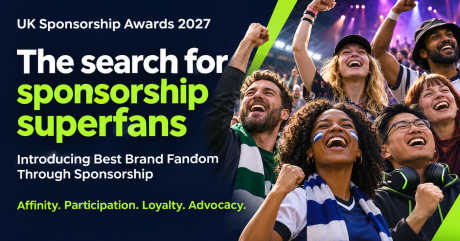
People are fans of all sorts of things. Football clubs, musicians, TV programmes, video games, YouTubers, film franchises and even particular products can inspire fierce loyalty. Fans spend money, create content, form communities, recommend their favourites and sometimes organise their lives around them.
For brands, that kind of passion and commitment is enormously attractive. It is one thing to have customers who buy your products. It is quite another to have people who actively seek you out, recommend you to friends, participate in your activities and feel some personal connection to your success.
Social media, gaming platforms and the creator economy have made it easier for like-minded communities to form around shared interests. Fans are no longer simply spectators or consumers. They can become collaborators, advocates and distributors of the things they love. The challenge for brands is working out how to become part of this turbo-charged engagement and activity.
This is the thinking behind Best Brand Fandom Through Sponsorship, a new category at the UK Sponsorship Awards 2027. It will recognise partnerships that have gone beyond generating awareness or short-term engagement to create genuine brand affinity, participation, loyalty and advocacy.
For anyone thinking about entering, here is some food for thought:
Can a brand really have fans?
Some certainly do. LEGO, Apple and Nike have developed communities whose enthusiasm goes well beyond individual purchases. But most businesses operate in categories where attracting genuine fandom is considerably harder.
People may love their football club, favourite musician or preferred YouTuber. They are less likely to feel the same emotional connection to an insurance company, bank or telecommunications provider. That does not mean those brands cannot build stronger relationships with consumers. It does, however, raise an important question about what we mean by fandom.
A customer who follows a brand on Instagram is not necessarily a fan. Neither is someone who enters a competition, downloads an app or buys a product because it happens to be on offer. Fandom suggests something more enduring: a willingness to engage voluntarily, identify with a brand, participate in its activities or recommend it to others.
For some brands, that may mean developing a recognisable community of enthusiasts. For others, it could involve becoming a valued and trusted part of an existing fan community. The distinction is important because sponsorship is particularly well suited to the second approach.
What about the less glamorous brands?
It is easy to discuss fandom in the context of trainers, toys and technology. The proposition is less obvious for a utility company, washing powder or other functional product. Few consumers are looking to join a fan club devoted to their electricity supplier.
But they may be passionate about a football club, a local festival, a creator or an environmental cause. A functional brand can use sponsorship to support something its customers genuinely care about: helping families access sport, making a live event easier to attend, backing grassroots creativity or providing practical expertise to a community.
The key is to make the brand’s involvement useful and recognisable. An energy supplier might help a venue or sporting organisation reduce energy consumption and involve fans in the initiative. A household products brand could support a community programme that connects naturally with family life. These are possibilities, not automatic routes to fandom: the sponsor would still have to show that people noticed, valued and responded to its contribution.
For a functional brand, success may not mean customers declaring their devotion. It might mean people choosing the brand more readily, recommending it, participating repeatedly in a sponsored programme or feeling that it understands and supports their community. That is a credible ambition, which goes beyond simple enthusiasm for the property a brand sponsors.
The sponsorship connection
A brand does not need sponsorship to build a fanbase. It can create content, develop loyalty programmes, cultivate social communities or work directly with customers. But sponsorship offers something different: access to communities that already exist around a shared passion.
A sports team has supporters. A musician has followers. A creator may have an audience that actively participates in their content. A festival brings together people with common interests, while gaming franchises can sustain highly engaged communities over many years.
The sponsor’s opportunity is to make a meaningful contribution: giving fans access, creating opportunities to participate, helping communities connect or providing content and experiences that would not otherwise exist. Simply attaching a logo to something people love does not mean they will start loving the sponsor. Research into sponsorship effectiveness has identified the importance of authenticity and community identification. Fans may welcome sponsors they perceive as contributing to their experience, but their attachment to the underlying property cannot be taken for granted as an endorsement of the brand.
From exposure to participation
LEGO’s relationship with Formula 1 offers one illustration. Both have enthusiastic followings, but the opportunity is more interesting than simply introducing one fanbase to the other. LEGO sets give supporters a way to recreate the cars and engineering they admire, while building activities and interactive experiences turn a largely spectator sport into something people can take part in. Children and parents can engage with Formula 1 together, and existing fans have a new way to express their enthusiasm away from race weekends.
This kind of participation can also work in the opposite direction. A fan who first encounters LEGO through Formula 1 might discover an interest in building and collecting, or return to the brand for future releases. But that is a possibility, not proof of fandom. An entry in this category would need to show whether people developed a stronger connection with the brand as a result of the partnership.
Gaming provides a useful model because participation is built into the medium. Rather than interrupting play with a message, a sponsor can offer something players value: an in-game challenge, a reward, a shared event or an opportunity to create and exchange content. Done well, the activity gives players a reason to seek out the brand’s involvement and talk about it with others. Done badly, it feels like an advertisement intruding on a community that never asked for it.
That distinction is particularly important in fan cultures where audiences are protective of their favourite properties. A sponsor may generate huge numbers of interactions without earning much goodwill. The stronger test is whether fans choose to return, contribute, recommend the experience or associate the brand with something that improved their enjoyment. In other words, participation is a promising route to fandom, but not the same thing as fandom itself.
The creator economy offers another lesson
Creators have become adept at developing close relationships with audiences. Successful YouTubers, podcasters and social media personalities encourage followers to comment, contribute ideas, participate in live experiences, join memberships and identify with a wider community.
These relationships offer brands sustained attention and familiarity. But as with more established areas of sponsorship there is a warning: this relationship belongs primarily to the creator. A sponsor cannot assume that a creator’s audience will automatically become enthusiastic supporters of the brand.
More interesting opportunities arise when brands contribute something that strengthens the relationship between creators and their communities: an event, exclusive experience, new content format or fan challenge. The test is whether the activity creates an identifiable benefit for the sponsoring brand, rather than simply generating engagement for the creator.
There is also an intriguing development at the edges of sponsorship: brands are becoming creators in their own right. They are launching channels, commissioning shows and experimenting with short-form scripted entertainment, including microdramas. Instead of appearing around someone else’s content, they are making programmes that people might choose to watch and follow.
This opens up another possible route to brand fandom. A successful series or channel can give audiences characters, stories and recurring experiences to return to, potentially building a community around the brand’s own creative output. But there is a distinction worth keeping in view for UKSA: branded entertainment is not necessarily sponsorship. For this category, an entrant would still need to explain the sponsorship relationship, if there is one. Otherwise, they would be better looking towards UKSA’s branded content category.
What does successful brand fandom look like?
One challenge for UKSA judges will be distinguishing genuine fandom from ordinary engagement. High viewing figures, social impressions, likes and competition entries may demonstrate reach. They do not necessarily show that people have developed a stronger relationship with the brand.
More persuasive evidence might include sustained participation in a brand community, repeat engagement, voluntary content creation, increased recommendation or improvements in affinity and loyalty. Commercial outcomes also count: increased sales, customer retention, consideration or lifetime value.
Different sectors will require different measures. A gaming partnership might generate participation through online communities and user-generated content. A sports sponsorship could encourage fans to adopt a brand as part of their matchday routines. A cultural partnership might build loyalty through membership, access or shared values.
The common requirement is to demonstrate that sponsorship played a role in strengthening the relationship between the audience and the brand.
What UKSA judges will be looking for
The new category is open to sponsorships across sport, entertainment, media, gaming, arts, culture, creators and social purpose. Entries can involve live experiences, membership programmes, loyalty schemes, creator partnerships, social communities, experiential activations or other approaches that have helped turn audiences into active brand supporters.
Understanding the audience. Did the sponsor demonstrate a genuine understanding of the community, its interests and motivations?
Creating an emotional connection. Did the partnership give audiences a compelling reason to feel more positively about the brand?
Encouraging participation. Were people motivated to become involved, contribute content or join activities?
Building loyalty and advocacy. Is there evidence of stronger affinity, repeat engagement or recommendation?
Delivering measurable value. Can the entrant demonstrate commercial or brand outcomes such as consideration, retention or sales?
The strongest entries will explain why the sponsorship was chosen, how the activity worked and what changed as a result. A brand with an established loyal customer base will need to show how the particular partnership strengthened or extended that relationship.
A different measure of sponsorship success
UKSA’s new Brand Fandom category sits alongside the renamed Brand Impact Through Sponsorship award, which recognises wider commercial and marketing effectiveness. The distinction is deliberate.
A sponsorship can be highly successful without creating a community of fans. It might deliver outstanding sales growth, awareness, brand consideration or customer acquisition. Brand Fandom focuses on a more specific ambition: using sponsorship to develop relationships in which audiences become willing participants and advocates.
It is an ambitious objective, and not every brand will achieve it. But as creators, sports properties and entertainment franchises demonstrate the commercial value of engaged communities, it is understandable that sponsors want to explore the same territory.
The UK Sponsorship Awards 2027 is inviting entries for Best Brand Fandom Through Sponsorship. The Early Bird entry deadline is December 18, 2026, with the final deadline on January 15, 2027. Winners will be celebrated at the London Marriott Hotel Grosvenor Square on March 23, 2027.